HISTORY OF THE INSURANCE INDUSTRY IN MALTA
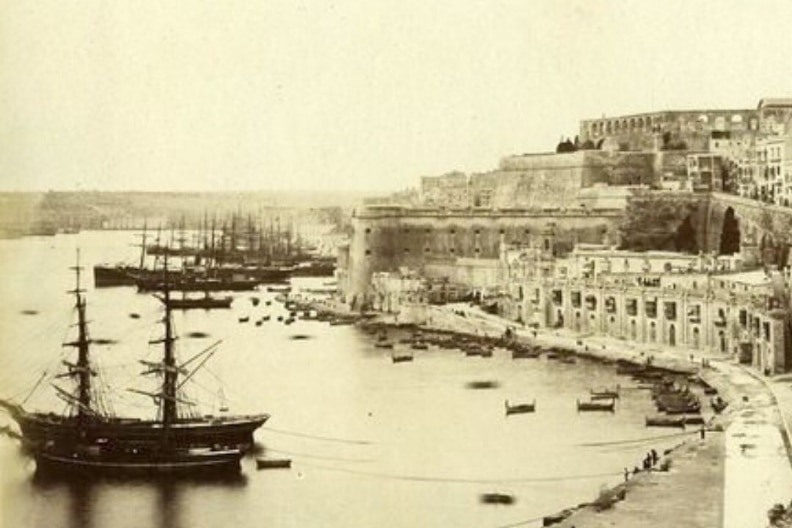
Insurance activities have long been part of Malta’s tradition because of the link with Malta’s maritime trade with other Mediterranean countries. This long tradition can be traced as far back to the fourteenth century, when Maltese merchants partnered with Catalan seafarers in maritime trade and insurance.
Already a developed business activity in the eighteenth century, insurance received a further boost under Britain’s dominion with the establishment, from 1807 onwards, of insurance companies that underwrote maritime risks with strong inflows of English capital. British influence was to restructure the insurance tradition in Malta, with English law and practice shaping the way insurance is transacted to this very day. Domestic insurance activity received a further boost in the post war years when third party motor insurance became compulsory. Thus when in 1964 Malta achieved its independence following 164 years of British rule, insurance was firmly rooted with a vast network of major English insurance companies operating on the island through many branches and agencies.
For the next thirty years or so after independence, insurance in Malta continued to be agency oriented, reporting mostly to insurers in England. This was a time when Malta’s economy was moving rapidly from a military and naval base to one dependant on manufacturing, tourism and the service industry. This transformation gave rise to new risk profiles and exposures with insurance protection and risk management becoming a vital component for Malta’s new industrial strategy. The country’s capability to adapt to these demands was facilitated by a strong local insurance presence which could tap into an existing pool of human resources and a ready access to the London insurance market.
The transition from an agency insurance market to an indigenous local base came about in the twenty-five years following the departure of the British forces from Malta in 1979. The newly elected Labour Government increased its direct participation in many primary sectors of the economy. Government was controlling banking, energy supplies, shipping, air transportation and telecommunications, and this concentrated a demand for insurance within the public sector. Existing insurance operators together with Malta’s first locally registered insurance company participated in this sudden growth of insurance activity. Newly enacted legislation provided a solid foundation for this activity whereas a newly created Insurance Institute trained many professionals who found ready employment in this burgeoning industry.
By the start of the new millennium the local insurance market had developed significantly and had also branched into other areas of risk management and ancillary broking activities. However business continued to be dominated principally by agencies of UK insurers. This was reversed at the turn of the century when scale-economies and an unprecedented amount of mergers and acquisitions, involving major UK companies operating in Malta, transformed many local agencies into indigenous insurance companies and triggered growth for domestic life insurance companies.
Further growth in the insurance market was triggered when Malta streamlined its financial services sector and re-launched it as the fourth pillar of economic activity. A major legislative reform in 1994 and 2002 stimulated the development of a finance industry servicing both domestic and international economic activity. In the process, insurance legislation was aligned to EU and other internationally recognized standards. Malta’s EU accession in 2003, as well as other economic and fiscal reforms provided the right ingredients to enable the insurance industry to expand overseas.
The insurance sector’s successful overseas performance is today firmly anchored in its passporting rights as member of the European Union as well as in Malta’s innovative regulatory and fiscal regime.
The European passporting regime makes it possible for domestic insurers, brokers and other intermediaries to offer their services in any other EU or EEA member state. This has added to Malta’s attraction as an insurance domicile and has attracted European insurance operations seeking a more cost effective jurisdiction. It has also drawn other non-EU insurance companies or intermediaries seeking to tap into the EU insurance market. They can provide insurance from Malta, directly across Europe, thereby avoiding fronting costs and other collateral requirements.
Malta’s innovative regulatory regime ensures that insurance regulation is fully compliant with EU regulatory standards whilst at the same time being very open to the needs of insurance businesses. Its advanced features provide for different types of insurance structures, including reinsurance companies, insurance intermediaries, captives and cell formations.
Malta’s accession to the EU attracted an influx of captives and the country is now recognized as a sophisticated jurisdiction for captives. Moreover, Malta is still the only full EU member state with legislation for protected cell companies and incorporated cell companies. Protected cells benefit from lower running costs and greater asset efficiency. This dynamic insurance infrastructure has not only attracted insurers but has also drawn a growing number of insurance managers and service providers. Insurance managers have set up in Malta to provide many front-end and back-office work for captives, protected cell companies, third party insurers and reinsurers.
Over the past few years, Malta has also established itself as a centre for the management and administration of cross-border pension vehicles, providing appropriate solutions for international operating companies for the benefit of their employees. Malta’s present international pension scheme legislation, combined with its EU membership, has already resulted in a number of pension trustees establishing internationally-based pension schemes in Malta.
During the fifty years since independence, the Maltese insurance sector has experienced rapid transformation, emerging from a tightly controlled family-run agency business into an indigenous corporate set-up, with an increased focus towards overseas expansion. The sophisticated regulatory regime continues to offer the industry with a selection of tools to meet the demands of a highly competitive local and international market. The biggest challenge will remain as to how to further stimulate domestic growth and attract a greater share of international business.























Social Icons